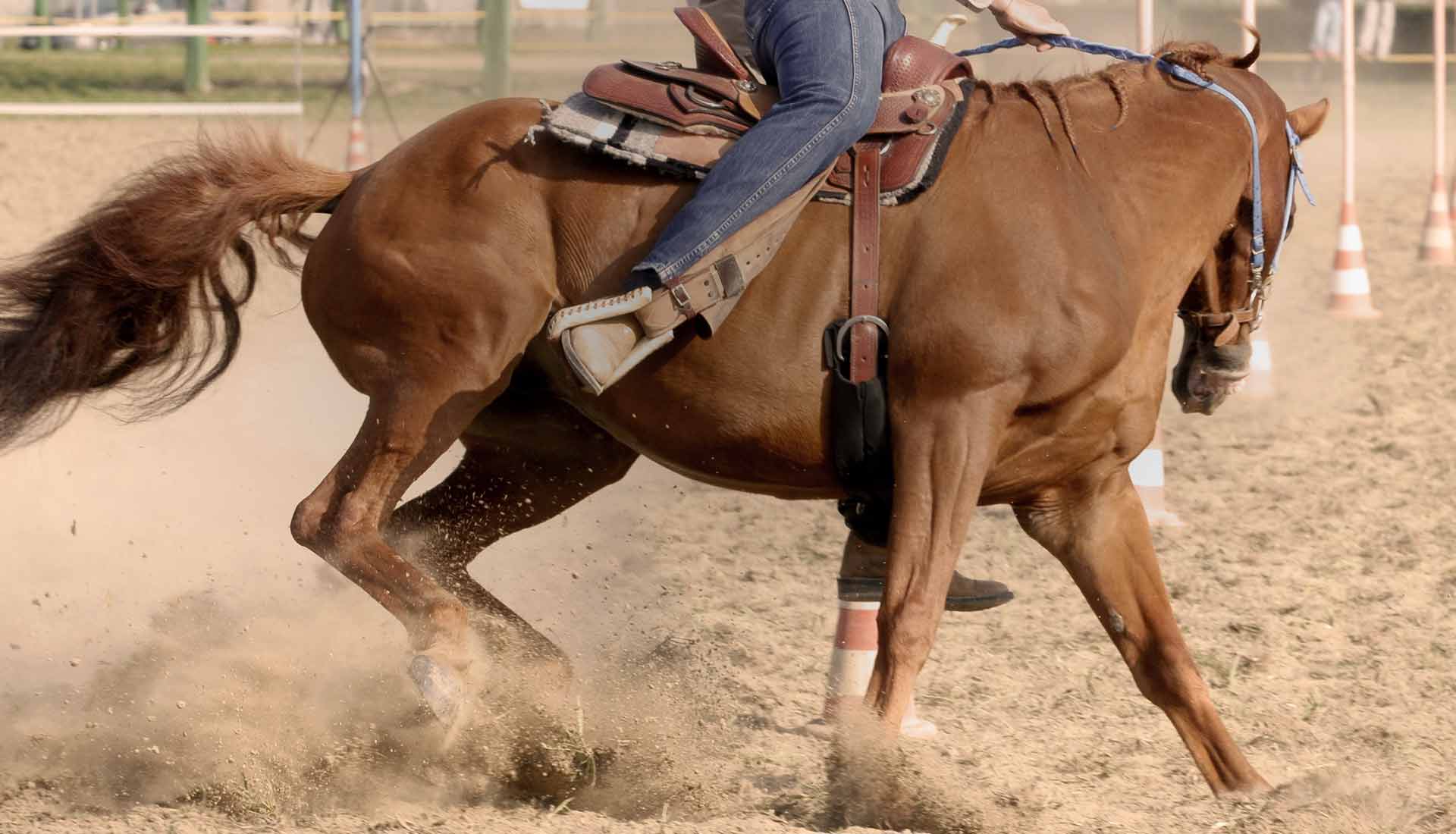
Capturing the untamed world
Following the tracks of wildlife
The art of tracking
Understanding animal behavior begins with reading signs left behind, from footprints in the mud to broken twigs, revealing patterns of movement and daily life.
The virtue of patience
Hours of waiting in a hide or camouflaged position are often necessary to witness a single, authentic moment without disturbing the subject’s natural routine.
Essential field equipment
Beyond the camera, a sturdy tripod for stability, a telephoto lens for distance, and appropriate camouflage are crucial tools for successful, non-intrusive observation.
An immersion in nature
To truly connect with the environment, one must move beyond simple observation. It involves attuning the senses to the subtle sounds of the forest, feeling the shift in the wind, and recognizing the rhythm of the ecosystem. This deep immersion allows the photographer to anticipate an animal’s appearance, not by chance, but by understanding its place within the larger web of life. It transforms the act of taking a picture into a genuine wilderness experience.
This connection fosters a profound respect for delicate habitats. Each photograph becomes a testament to the fragility and beauty of these ecosystems, carrying a silent message of conservation and the importance of preserving these wild spaces for the future.
Capturing authentic animal behavior
Seizing fleeting emotions
The challenge lies in freezing a unique interaction in time: the tender gesture between a mother and its young, the intense gaze of a predator fixed on its prey, or a moment of playful abandon. These images transcend simple portraits, telling a story and evoking a powerful emotional response.
Success depends on anticipating action. By observing an animal’s posture and subtle cues, a photographer can prepare for a sudden leap, a call, or a specific interaction. This foresight is the key to transforming a static scene into a dynamic narrative, capturing the very essence of life in motion.

Exploring earth’s remote ecosystems

Arctic silence and light
In the vast, frozen landscapes, capturing wildlife means adapting to extreme cold and the unique quality of low-angle polar light.

Rainforest canopy life
High in the humid treetops, patience and specialized gear are needed to photograph elusive species hidden in the dense, shaded foliage.
The open savannah
Here, vast grasslands offer dramatic backdrops for large herds, requiring a different approach to composition and capturing a sense of scale.
The spirit of Africa
This continent holds a powerful allure, where ancient landscapes and iconic wildlife create unparalleled photographic opportunities. The air itself seems to vibrate with a raw energy, offering a chance to document life at its most fundamental and majestic.
Encounters with Africa’s icons
The power of giants
Photographing elephants or rhinos demands a focus on their immense scale and textured skin. A low angle can emphasize their powerful presence against the vast landscape.
The grace of predators
For lions, leopards, or cheetahs, capturing their focused intensity is key. A fast shutter speed freezes their explosive movements during a hunt or a stalk.
Rhythm of the herd
With wildebeest or zebras, the goal is to convey collective motion. Using a slower shutter can create a dynamic blur, emphasizing their migratory journey.
Journeys fueled by passion
Every expedition is driven by a deep desire to witness and document the natural world. This commitment transforms travel into a quest, where each image is a reward for dedication, endurance, and a love for the wild.
Crafting lasting visual memories
Light on the veld
The golden hour bathes the savannah in a warm, soft glow, creating long shadows and highlighting the silhouettes of animals against the dramatic African sky.
Composing the scene
Using elements like acacia trees or distant mountains helps frame the subject, providing context and adding a strong sense of place to the final photograph.
Beyond the photograph
Each image becomes a permanent record, a personal story of an encounter that evokes the sounds, smells, and atmosphere of that specific moment in the wild.